

VIEW VIEWPOINT
Overview Effect
Kerby Anderson

You could say that William Shatner is the most famous astronaut in the world. Until recently, he was not a real astronaut. But he is best known for playing Captain Kirk in the Star Trek TV series and movies. Last year he did go into space. And it had such an impact that he started crying and now has written about it in his memoir, Boldly Go.
At age 90, he had a life-changing experience by going into space. He thought it would be a fulfilling experience to see planet Earth from a different vantage point. Others told him they were struck by the “apparent fragility of this suspended blue marble.” He also experienced “the strongest feeling, dominating everything else by far, was the deepest grief that I have ever experienced.”
When he looked away from Earth towards the rest of the universe, he didn’t feel attraction. Instead, he realized that we are “a tiny oasis of life, surrounded by an immensity of death.”
There is a name for that experience. Space Philosopher Frank White called it the “overview effect,” which is the title of his book by the same name. It comes from an emotional shift in a person’s awareness when they see Earth from space. You gain a greater understanding of the preciousness of Earth.
I think we can draw two conclusions. First is environmental stewardship. Shatner’s conclusion was that he wanted to protect Earth for his grandchildren and great-grandchildren. We need to do all we can to prevent the destruction of this planet.
The second conclusion is intelligent design. Earth is not an insignificant speck in the galaxy. Earth is our home. It was created by God for us, and we can now measure all the fine-tuned parameters that show God’s fingerprints.

Listen to this Viewpoint
Viewpoints
View All

Classical Apologetics
Christians have always needed to know how to defend the Christian faith ever since Peter admonished us to “always be prepared to make a defense to anyone who asks you for a reason for the hope that is...

Affirmative Action
Victor Davis Hanson argues that the “end of affirmative action was inevitable.” He provided ten reasons why it died. Here are five of them.
Best Solutions for Earth
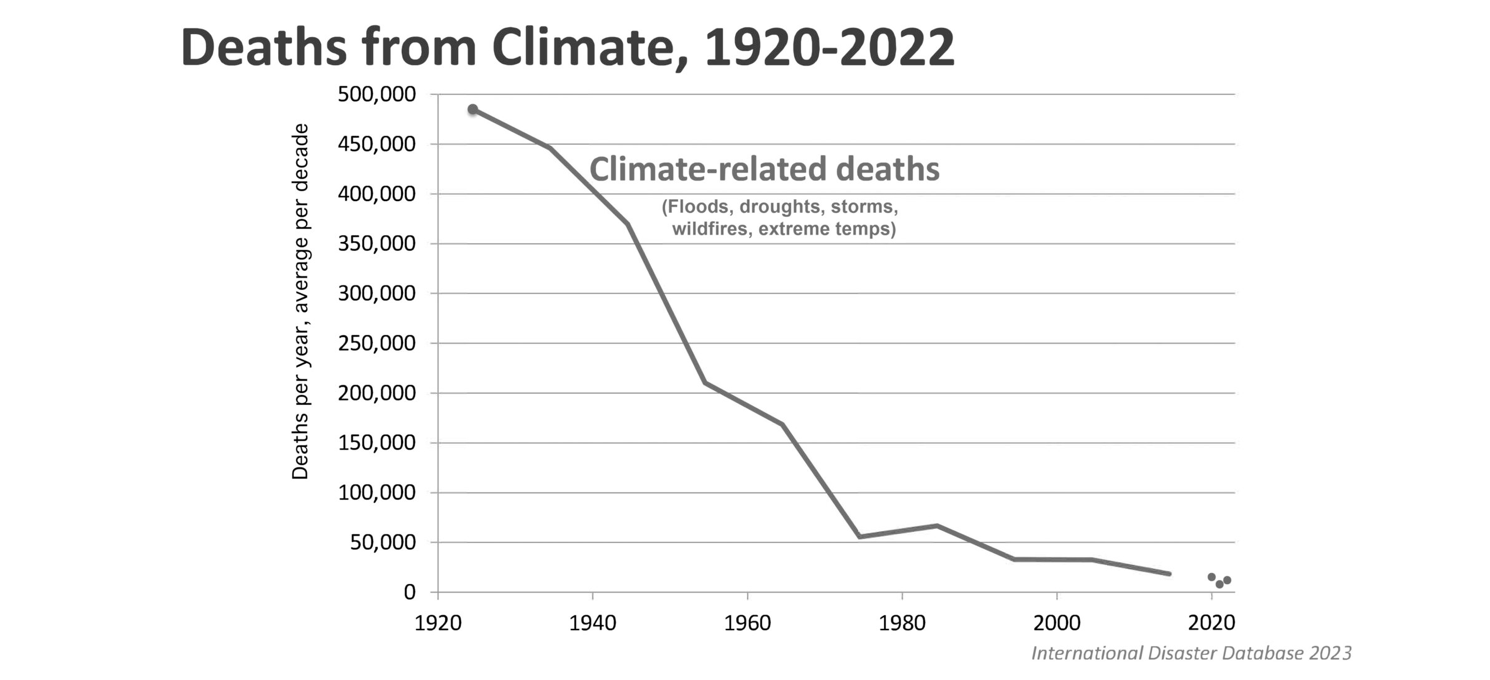
In his video, John Stossel asked people on the street, “If you could spend $30 billion trying to solve the world’s problems, how would you spend it?” As you might imagine, the most common answer was t...
Take Action
View All

Protect Privacy Against Flock Cameras
Flock cameras are everywhere. While one camera is a tool, the more than 100,000 AI-powered cameras now posted around our nation are a new layer of dig...


Support the Safeguarding Women from Chemical Abortion Act
The abortion pill harms women and kills unborn children. Congress must act.


