 Listen Online
 Watch Online
 Find a Station in Your Area





Kerby Anderson
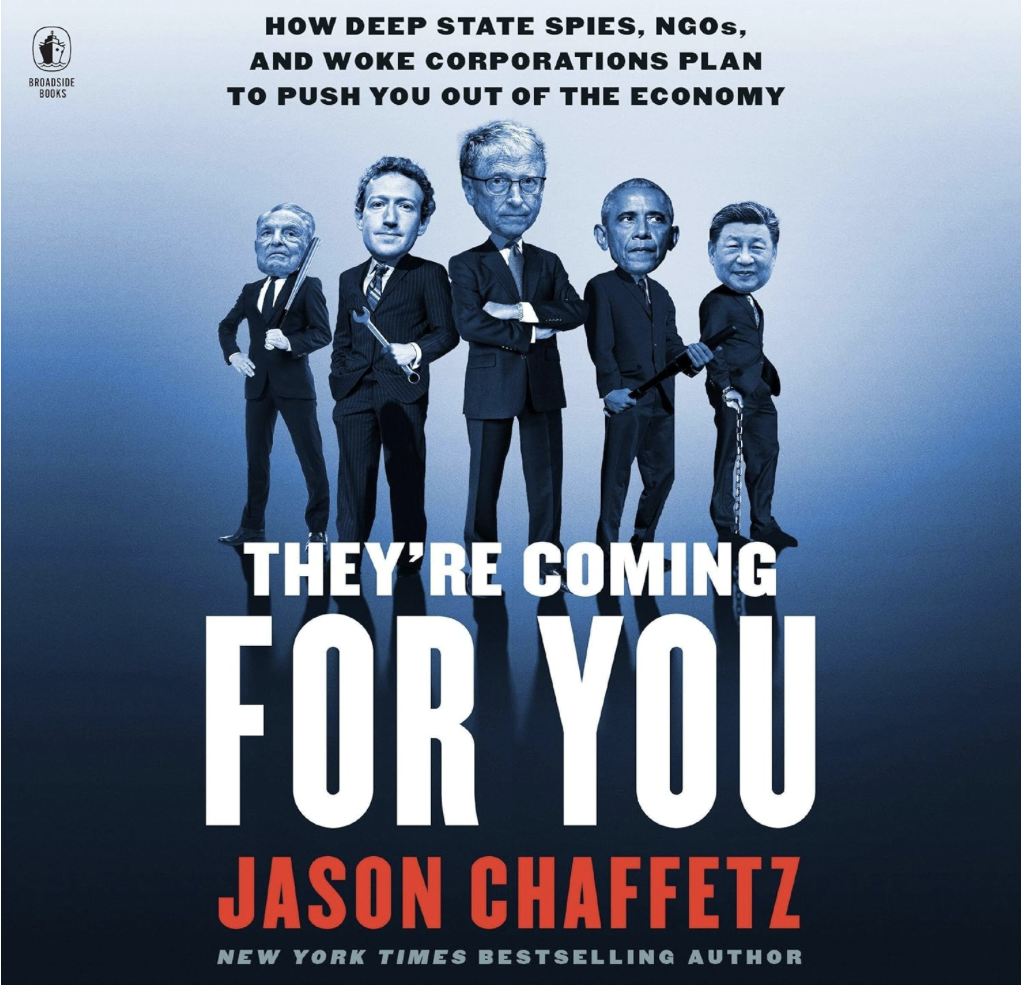
Former congressman Jason Chaffetz remembers the first time his local grocery store asked him to join their loyalty program. He and his wife declined because they didn’t want to give out their information. Slowly, over time, the benefits seemed to outweigh the nebulous risks. Soon they were also getting coupons and even noticed their savings listed at the bottom of their receipt. In his latest book, he calls this the privacy trade off.
You can probably relate. Every day you are probably being asked to submit your information. In many cases, information is being collected from your phone, credit cards, and loyalty cards without you even knowing who has it or what they will do with it.
When businesses collect this information, they use it to try to sell you more goods and services. When the government collects this information, they use it in a variety of ways. As someone who writes commentaries and books about social trends, I find the information useful.
But there is another side to the data collection. The weaponization of information makes government surveillance much easier. Many in the deep state, also often called the administration establishment, collect and weaponize private information. We have seen how such information is being used by the Chinese Communist Party. We are also beginning to see how it will be used in the European Union.
Jason Chaffetz acknowledges that President Trump may be in office, but the deep state continues to collect information. Even if bureaucrats are limited in the power they exert, they partner with non-profit and private sector groups who can censor, debank, and prosecute.
That is why we need government guardrails that protect our privacy and limit the type of information government can collect.


 Viewpoints

 Take Action


 Listen Now
 Watch Online
