 Listen Online
 Watch Online
 Find a Station in Your Area





Kerby Anderson
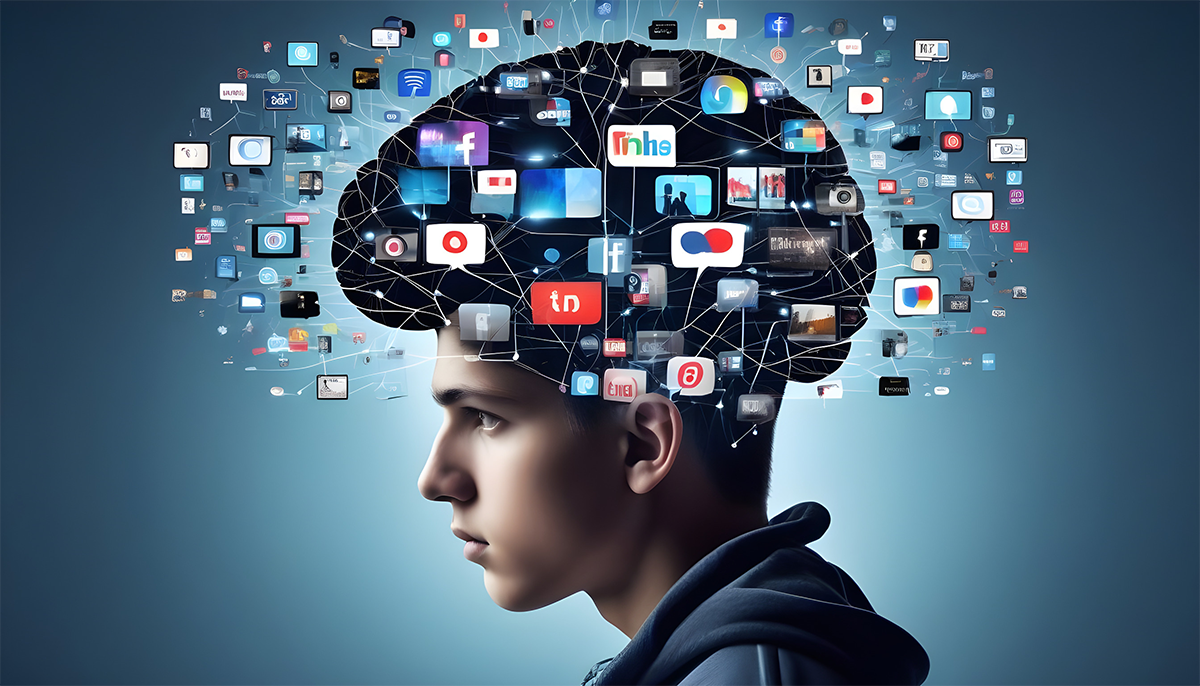
Yesterday, I mentioned that Robert Knight wrote two commentaries about cellphone use. Today, I want to focus on his second that had the title: “This is Your Brain on Digital Screens.” He explains that neurological science is catching up with the tech revolution.
We are being overstimulated by these digital devices. “Our bodies emit fight or flight chemicals when we feel endangered, anxious, or stressed. Adrenaline and cortisol rev us up to fight off the threat.” He observes that these chemicals overstay their welcome. They won’t go away when we need them to subside.
Social neuroscientists use a phrase to describe this state. They call it “social vigilance.” You always in a state where you feel like you should always be looking over your shoulder.
Even more concerning is digital addiction. In previous commentaries, I have talked about the abundant evidence of how these digital devices addict us and even modify our brains.
Addiction becomes easier because of what is called “neuroplasticity.” Our brains are adaptable and become conformed to the visual and audio stimulus of these digital screens. He quotes psychiatrist Jeffrey Satinover who describes how the brain rewires itself and how repetition alters neurological pathways.
Overuse of digital screens pose a danger to anyone, but they are especially dangerous to young children. “Between the ages of 10 and 12 children’s dopamine receptors in the brain are multiplying.” This stimulation is “literally rewiring kids’ brains and causing addiction.” Unfortunately, American teens spend seven hours and 22 minutes each day looking at screens.
It is time for adults and especially children to limit the time they look at digital screens.


 Viewpoints

 Take Action


 Listen Now
 Watch Online
