

VIEW VIEWPOINT
Grade Inflation

Grade inflation is ravaging American universities.
In 1960, 15 percent of grades were A’s. Today nearly 50 percent are. At the college level, more A’s are given than any other grade.
The Washington Post reports that, last year at Harvard, two thirds of the grades were A’s — up from 35 percent just 12 years ago. According to the Post, “that doesn’t count A-minuses, which were another 18 percent.”
Grade inflation occurs when schools award higher grades for the same quality of work over time. Consequently there’s “a collapse in the informational value of grades, especially at the high end.” It becomes harder to tell who the top students are. And grade inflation at the college level eventually extends into high schools, especially competitive ones.
Harvard’s faculty was considering a solution — a cap on A’s. Students revolted. But, college students — and parents — should not expect high grades as if they were customers expecting good service.
Harvard’s stature is such that its faculty committee would do us all a favor if it pushes ahead with its proposal which would cap the number of A’s an instructor can give to 20 percent of the class plus four students. (The Post’s editorial explains that the extra four benefits students in smaller courses — which tend to be more advanced.)
The Washington Post calls grade inflation a “collective action problem” — it’s hard for a professor to break “from the herd.” Tough graders attract fewer students. Plus, professors don’t want to disadvantage students competing for grad school slots with other students who are getting easy A’s.
Some profs give out A’s out of compassion — false compassion. Easy A’s teach students that life is easy. They’re later shocked when it’s not.
Grade inflation poses a problem for employers, who are denied accurate information for recruitment and hiring.
Colleges need a standard to rein in these “runaway A’s". 
Listen to this Viewpoint
Viewpoints
View All
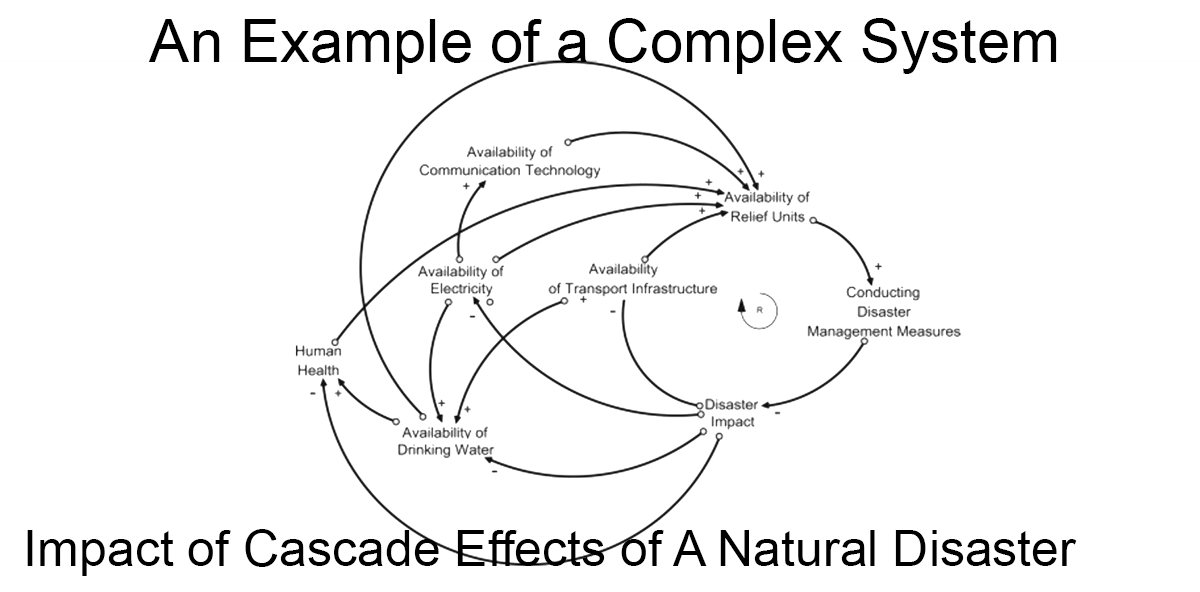
Complex Systems
Does it seem like so many important systems aren’t working the way they are supposed to be working? Just think of the problems associated with airlines, supply chains, and electrical grids.

Three Cycles
Are there long-term cycles that affect us? Unless you study history, it is difficult to see them. In a previous commentary, I quoted investor Ray Dalio who explained in his book, The Changing World Or...
Belief in God
Belief in God is back. That is the claim that Justin Brierley makes in his book, The Surprising Rebirth of Belief in God. He was on my radio program recently to talk about his book that will be out ne...
Take Action
View All

Protect Privacy Against Flock Cameras
Flock cameras are everywhere. While one camera is a tool, the more than 100,000 AI-powered cameras now posted around our nation are a new layer of dig...


Support the Safeguarding Women from Chemical Abortion Act
The abortion pill harms women and kills unborn children. Congress must act.


