 Listen Online
 Watch Online
 Find a Station in Your Area





Kerby Anderson
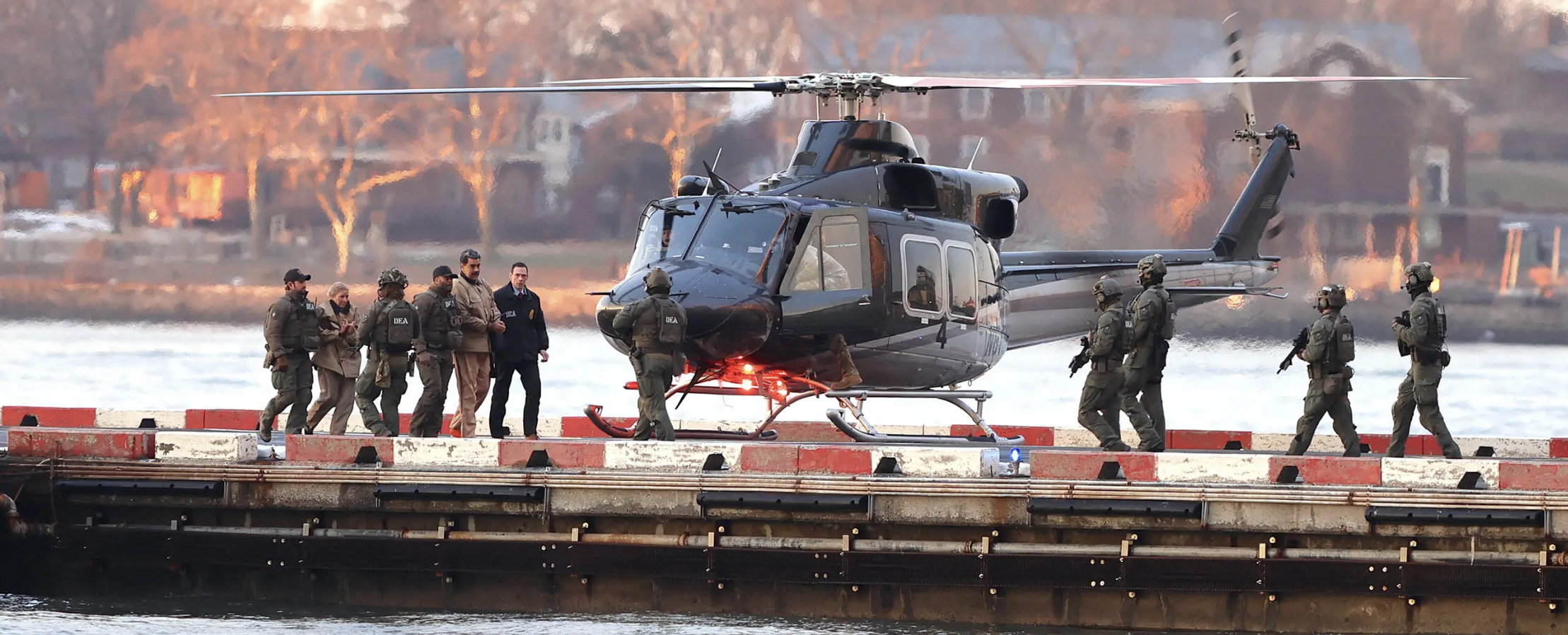
It has been more than ten days since the Trump administration successfully removed Venezuelan dictator Nicolás Maduro from power. The criticism of the president was predictable. It was described as reckless and unconstitutional. Critics said it was justification for impeachment proceedings.
Of course, the critics ignore the precedents set by both Democratic Presidents and Republican Presidents. President George H.W. Bush removed Panamanian leader Manuel Noriega. President Bill Clinton pursued a war in Bosnia-Serbia that led to the overthrow and trial of Slobodan Milošević. President Barack Obama pursued military options to being down Libyan dictator Moammar Qaddafi.
But now that the military action is in the past, it would be ideal to begin a discussion about the role of presidential military action. Article II of the Constitution vests “executive power” in the president, who also serves as commander-in-chief. One of the powers given to Congress in Article I is the power “to declare war.” We need a robust debate and discussion about the balance and relationship between these two branches of government.
Congress has only issued declarations of war five times (1812, 1848, 1898, 1917, and 1941). Congress has passed authorizations to use military power three times (1991, 2001, 2002). Every other military action initiated by presidents of both parties was done so without any formal declaration.
Critics only seem concerned about presidential military actions when the opposite party is in the White House. The American people deserve a debate and discussion about the limits of presidential power, especially since we live in a nuclear age. 


 Viewpoints

 Take Action


 Listen Now
 Watch Online
