 Listen Online
 Watch Online
 Find a Station in Your Area





Kerby Anderson
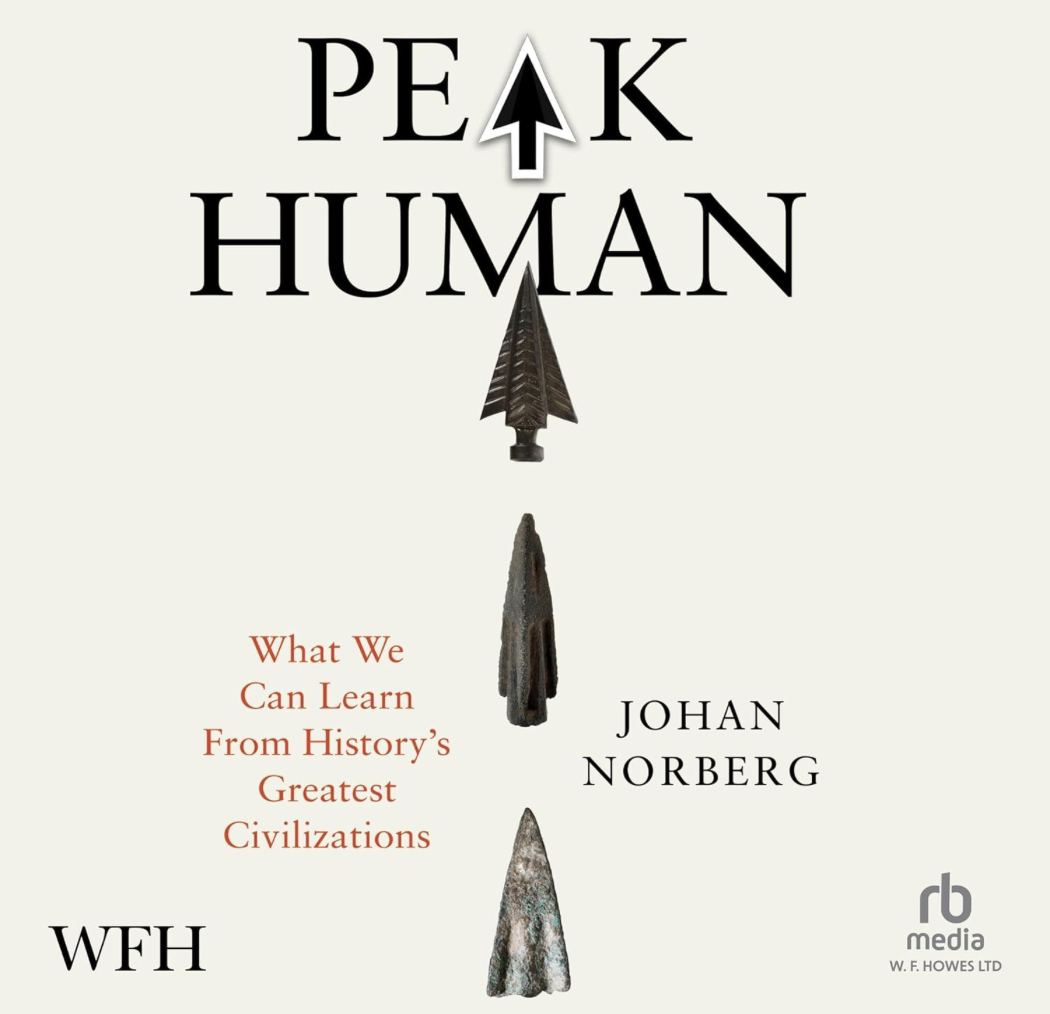
In his book, Peak Human, historian Johan Norberg explains what we can learn from the rise and fall of “golden ages.” He describes seven of humanity’s greatest civilizations from ancient Athens and the Roman Republic to Renaissance Italy, the Dutch Republic and today’s Anglosphere.
Each had their golden age and contributed to our world today. Ancient Greece gave us democracy and the rule of law. From the Muslim world came algebra and modern medicine. The Dutch Republic gave us economic ideas and some of the greatest artistic movements.
In a recent interview with John Stossel, he talked about how Rome inspired our form of government, a republic with a system of checks and balances. “There is a reason why we have a Senate, and they meet in the Capitol, Norberg explained. “We borrow these ideas from the Romans.”
Of course, these empires fell. “The emperors wanted to become popular by handing out free stuff to people. Originally, this started small. You just handed the very poor means of subsistence. But it was popular, so the group that lived on the public’s expense grew larger all the time.”
Eventually the ever-expanding system of entitlements became too much. Norberg observed, “Romans could conquer the world, but they couldn’t do entitlement reform.” To pay for this, the Roman emperors devalued their currency by putting less gold and silver in each coin. He concluded that, “Inflation was much worse than barbarian invaders.”
This sounds like our world today. Modern governments, including our own, make more financial promises than they can keep. To pay for it, they print more money. We have been living in a golden age, but the question before us today is whether it will continue. 


 Viewpoints

 Take Action


 Listen Now
 Watch Online
