 Listen Online
 Watch Online
 Find a Station in Your Area





Kerby Anderson
Debate about U.S. military action against Iran is often influenced by someone’s age and understanding of recent history. Whenever I talk about events in the 1990s, I realize that many of my listeners have not experienced that history. And if we are talking about something that happened in the later 1970s and early 1980s, even fewer have experienced it.
In 1979, the Shah of Iran was driven from power by the Ayatollah Khomeini. At the same time, the Iranian Revolutionary Guard seized the US Embassy and took hostage 52 American diplomats and staff. This was the beginning event in what has become a half century undeclared war against the U.S.
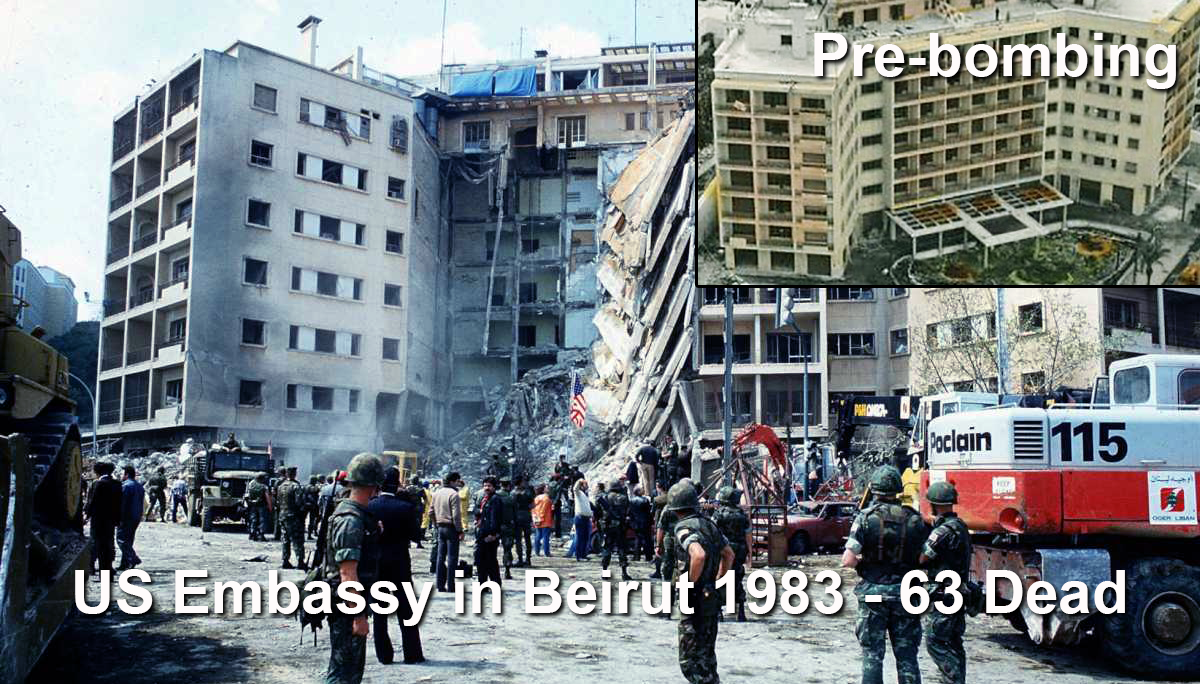
Iran has engaged in a proxy war against the U.S. for decades. In April 1983, Iranians used Hezbollah forces to blow up the U.S. Embassy in Beirut, Lebanon. That action killed 63 people. In October of that year, Iran also used Hezbollah forces to blow up the U.S. Marine barracks, killing 241 service members.
Even while the U.S. was in Iraq fighting a war on terror, Iran was attacking our troops with munitions made in Iran and with the coordination of Iranian operatives. And in the last few decades, Iran has been the chief sponsor of terrorism in the Middle East because it has been funding the attacks by Hamas, Hezbollah, and the Houthis.
The greater danger would be a nuclear-armed Iran. Until the recent U.S. attacks, Iran had the largest stockpile of ballistic missiles in the Middle East. Their missiles have a range of 2,000 kilometers and therefore can reach Israel and other countries in the Middle East.
The facts and our history are clear. Iran has been a threat to its neighbors and the U.S. for the last 47 years.


 Viewpoints

 Take Action


 Listen Now
 Watch Online
